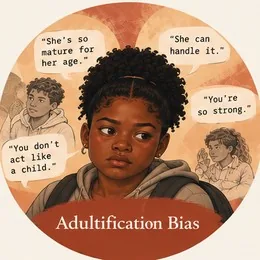
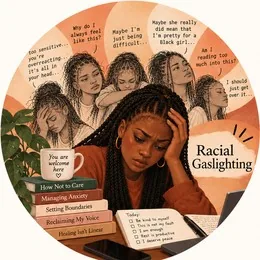
The patterns we work with by name, what each one is, how it shows up, and which part of the practice actually addresses it.
Naming a thing is not the same as fixing it. It does mean you stop having to argue that it happened before you can start working on what it did.
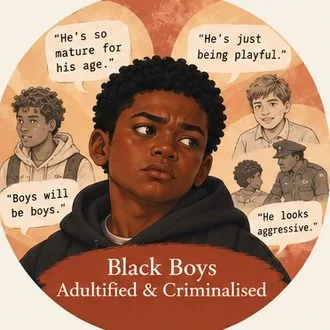
Read as older, tougher, more culpable
Shows up in how discipline gets handed out, and how quickly a child's distress gets read as attitude instead of need.
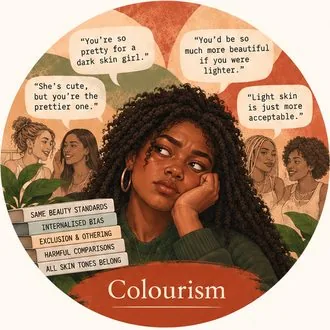
Skin-tone hierarchy, inside and outside
A ranking that operates within families and communities of colour, not only imposed from outside them.
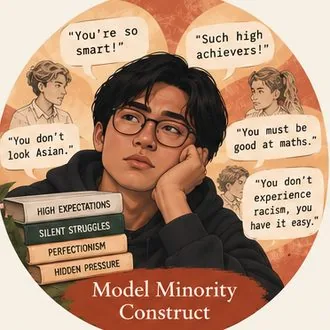
Achievement as the price of belonging
Being tolerated only as long as you are exceptional, and what happens to the relationship once you are not.
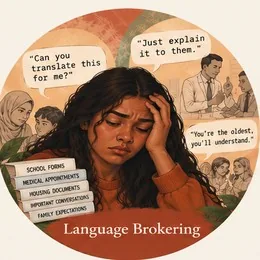
Interpreting for your parents before you could vote
Carrying adult responsibility because of migration and language, running the household's dealings with the outside world as a child.
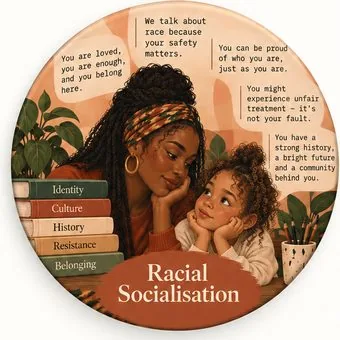
Preparing a child for the world
What a family teaches, or does not, about race, and what it costs a child either way.
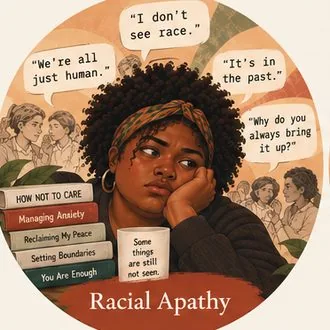
Hears it, agrees, does nothing
Believing in equality in principle, and staying silent the moment it shows up in your own room.
Not having to prove you belong first
Invisible to the person carrying it, because it is the default the room was already built around.
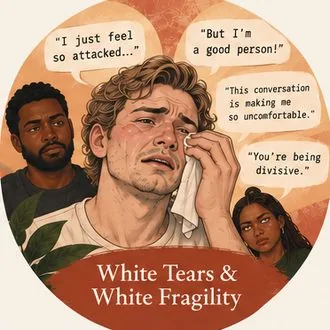
Tears get believed. Anger never does.
The room's attention shifts to managing the reaction, and the person who raised the original harm ends up doing the comforting.
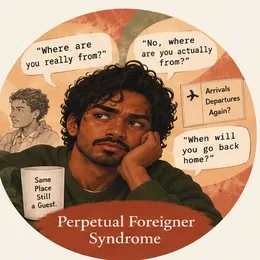
But where are you really from?
Asked in the place you actually live, again and again, however long you have been here or however you sound when you answer.
You are overreacting. That is not what happened.
Told your own experience of racism was not real, before the conversation about what happened even gets to start.